Summary
SaaS winners build trust through clarity, speed, and consistency. This page consolidates how I lead end-to-end product experience: defining the UX operating model, aligning stakeholders, scaling design systems, and validating outcomes through research and analytics. You’ll see representative case studies plus the reusable playbooks I apply to ship measurable improvements across complex, multi-persona platforms.
Leadership Scope
I lead UX strategy, design systems, and research enablement across Connectwise SaaS and enterprise experiences, partnering with Product, Engineering, and Support. My focus is scalable execution: clear governance, strong interaction patterns, shared component libraries, and measurable experience outcomes.
- Operating model: intake, prioritization, rituals, and governance
- Design at scale: design tokens, component libraries, documentation, QA
- Research engine: continuous discovery, usability, surveys, VoC synthesis
- Measurement: adoption, conversion, task success, efficiency, deflection

Case Study: Ticketing & Work Management (Multi-Persona SaaS)
A unified workflow experience for request intake, prioritization, resolution, and visibility across technicians, managers, and customers.
Primary outcomes: reduced friction, improved clarity, better handoffs
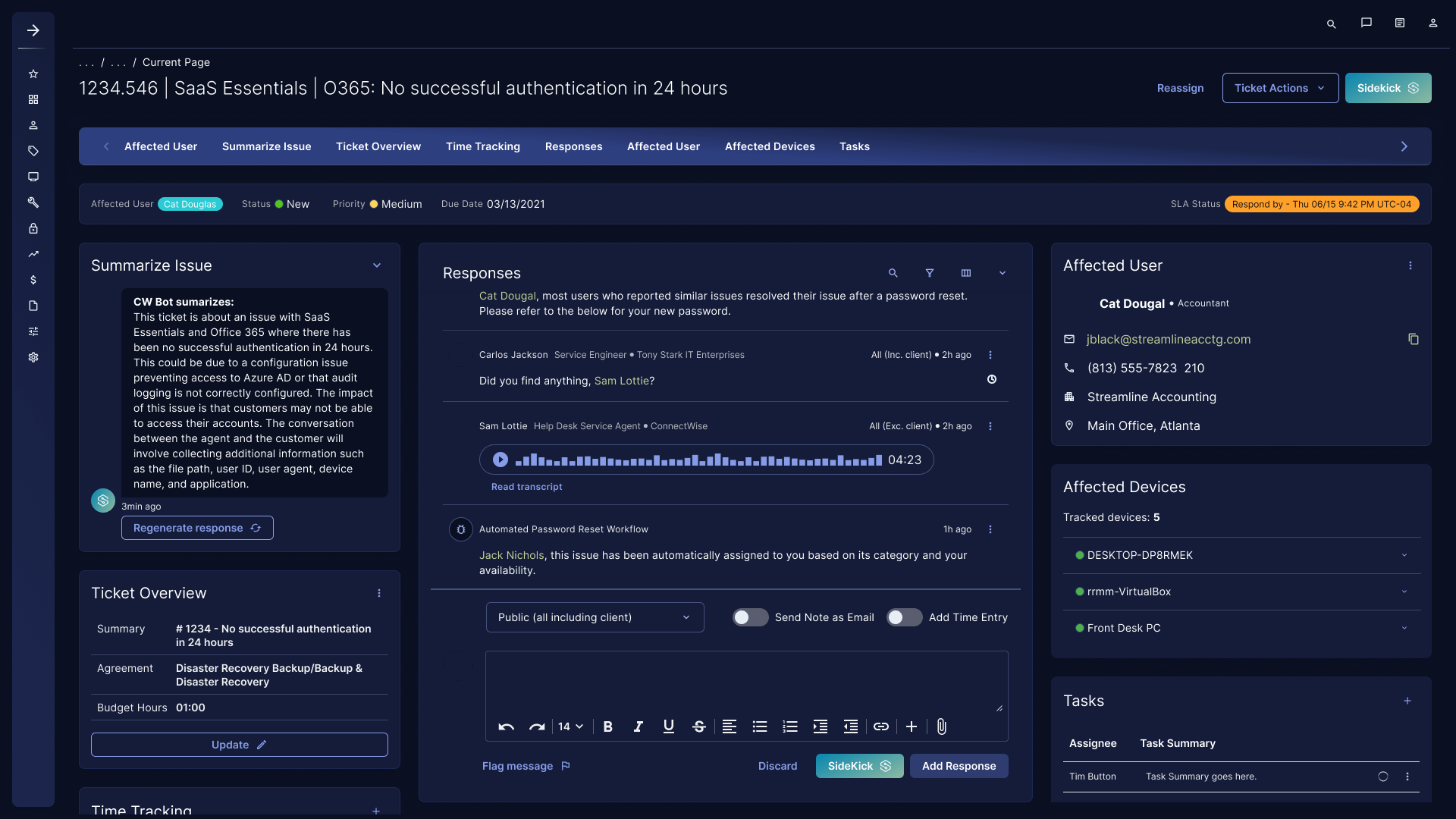
My role: UXUI Manager (strategy, IA, workflow design, stakeholder alignment, research plan, delivery governance).
What changed: simplified status model, clearer ownership, fewer dead-end states, consistent patterns across list/detail.
How we validated: moderated usability + support ticket mining + funnel analytics + post-release feedback loops.
- Personas and permissions mapped to task flows
- Information architecture normalized across surfaces
- Error prevention and recovery patterns standardized
Case Study: Monitoring & Alerting (RMM / Observability Patterns)
Monitoring experiences succeed when they reduce noise, clarify urgency, and guide action with predictable patterns.
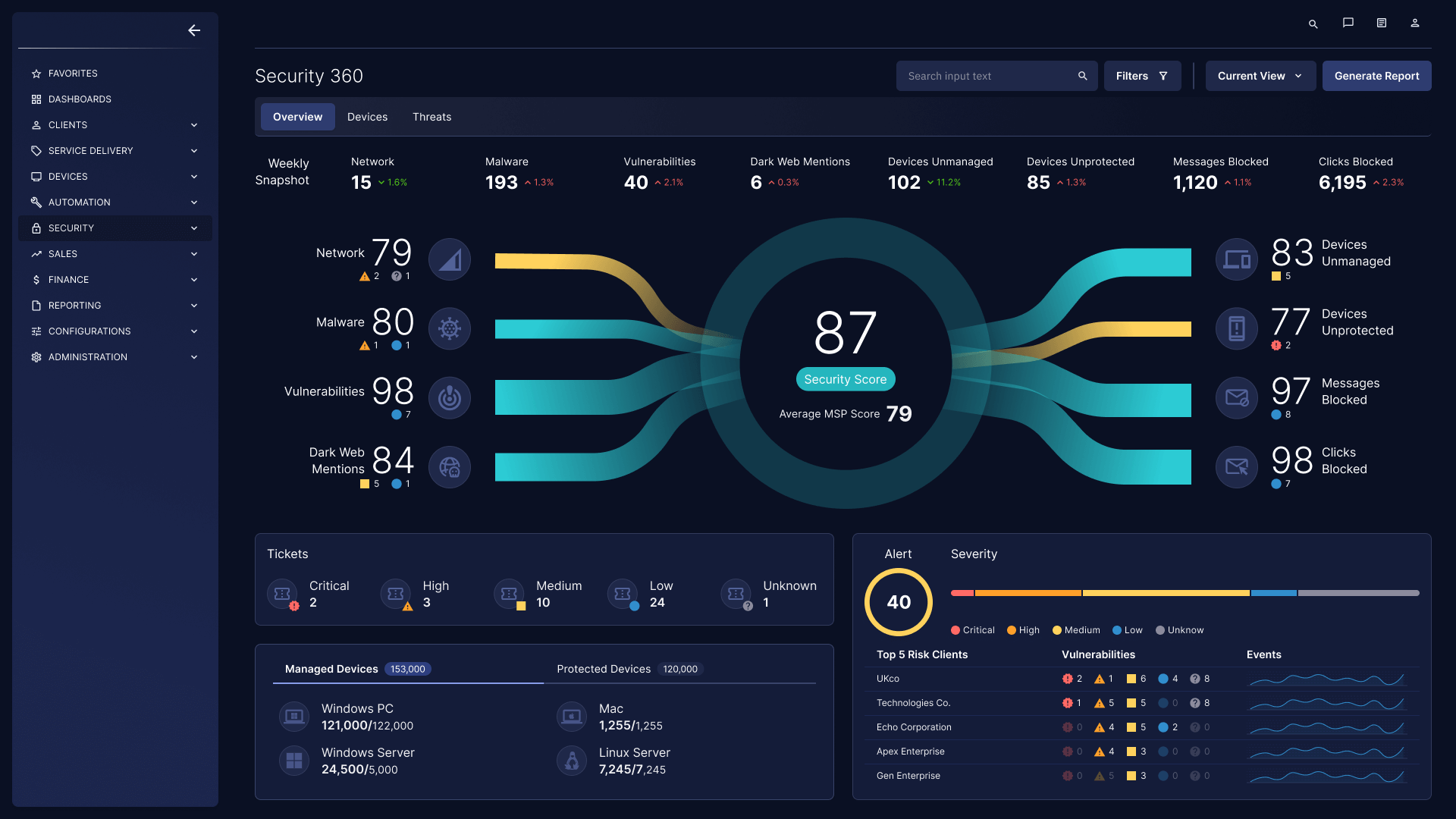
Leadership focus: scaling patterns across complex dashboards without degrading scan-ability.
Key UX patterns: alert grouping, severity/priority language, action-driven details, consistent empty/loading/error states.
Measures of success: time-to-triage, reduced false escalations, increased automation adoption, fewer repeat incidents.
UX Operating Model
I run UX as a production system: clear intake, ruthless prioritization, rapid discovery, strong design QA, and repeatable release rituals. This prevents design drift, reduces rework, and improves delivery predictability.
- Intake: request form + triage criteria + definition of ready
- Discovery: hypotheses, quick research, journey risks, constraints
- Delivery: design system patterns first, then custom only if needed
- QA: accessibility checks, responsive behavior, analytics events
- Learning loop: post-release review, instrumentation, backlog shaping
Pricing, Packaging, and Trust Design
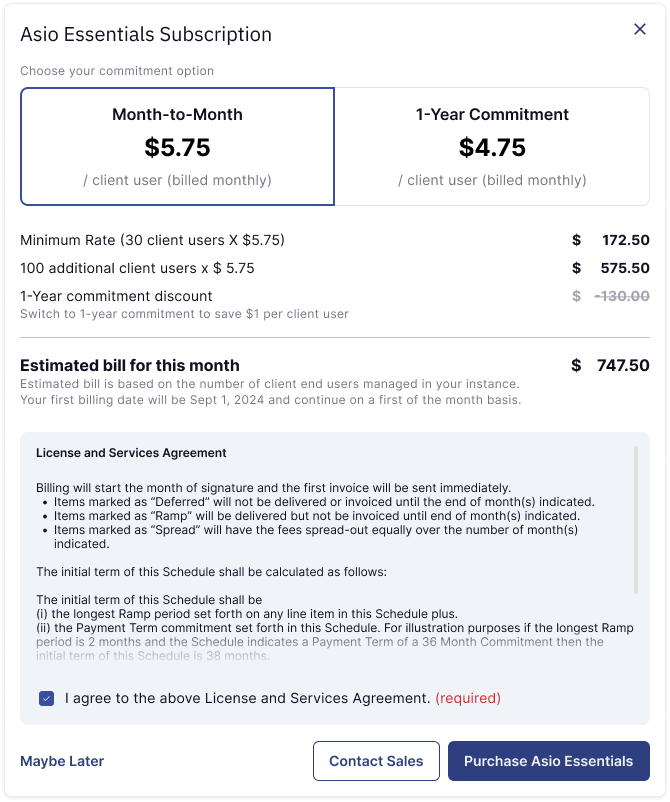
Pricing pages are trust infrastructure. The work is not “visual polish.” It is decision clarity: what’s included, who it’s for, how it scales, and how risk is reduced (security, support, cancellation, trials).
- Comparability: feature grouping by jobs-to-be-done, not internal modules
- Risk reduction: security badges, SLAs, onboarding expectations, transparent terms
- Conversion clarity: one primary CTA, consistent plan naming, no hidden constraints
- Enterprise readiness: procurement path, compliance, audit, role-based access notes
Onboarding and Activation
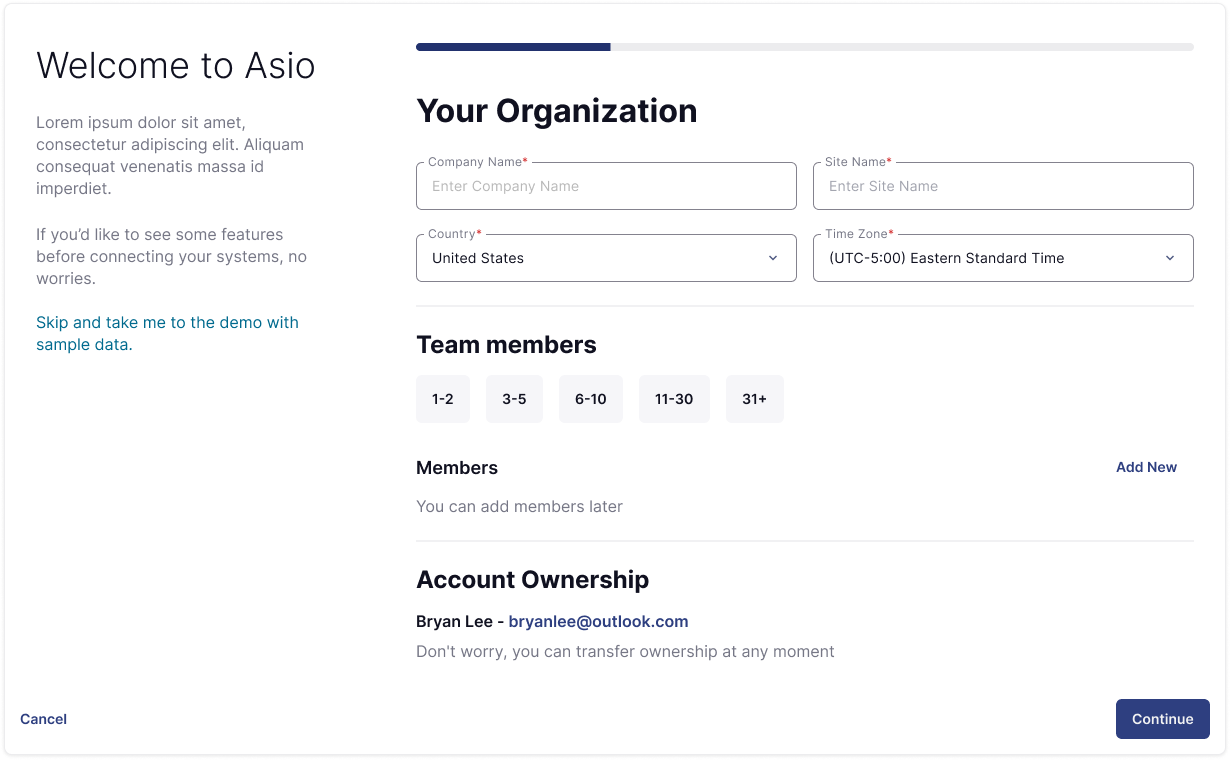
Activation is where SaaS either earns adoption or creates churn. I design onboarding to move users from “signed up” to “successful” using progressive disclosure, guided setup, templates, and role-aware experiences.
- Role-based setup paths (admin vs practitioner vs executive viewer)
- First-success milestones with clear progress and undo
- Empty states that teach, not shame
- In-product education that respects attention
Design Systems and UI Governance
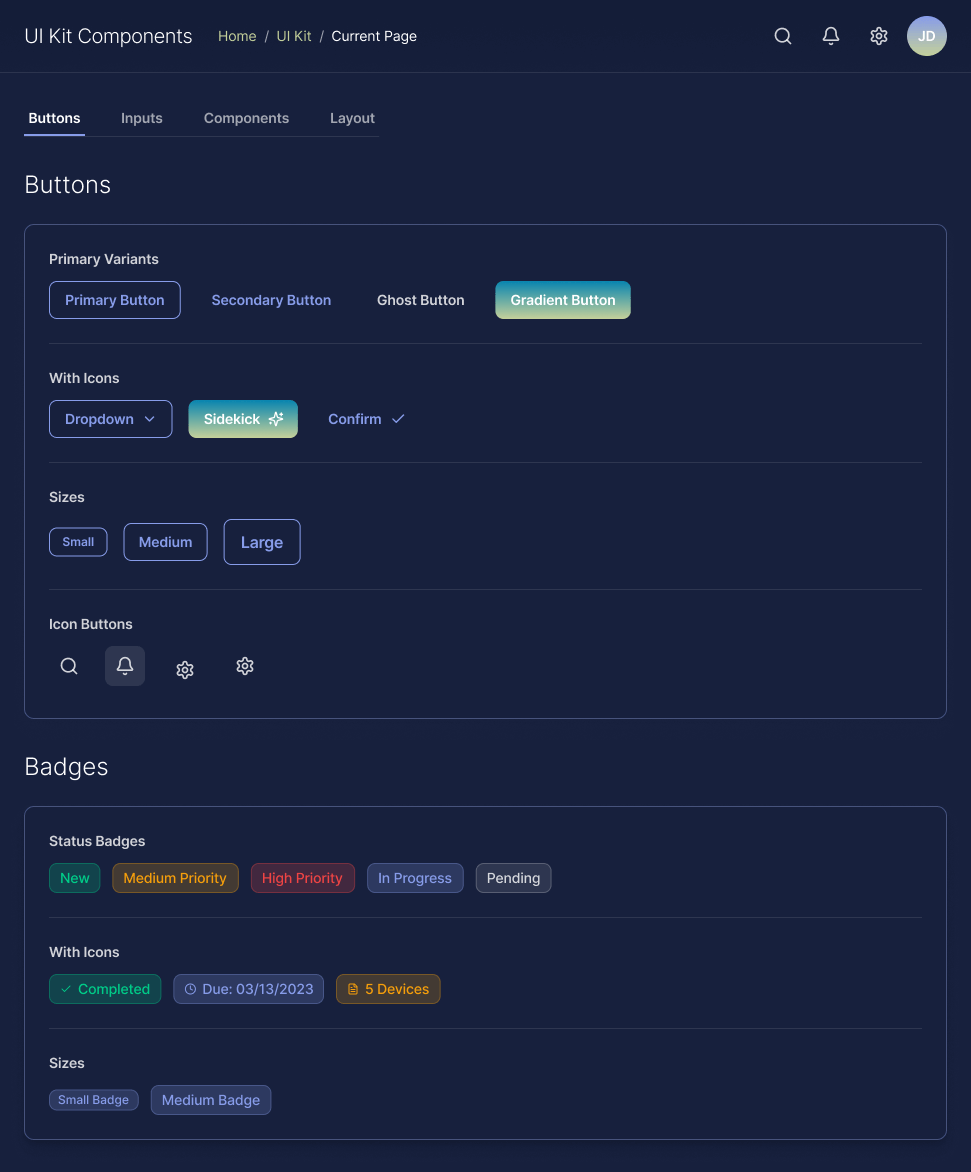
I treat design systems as a business accelerator: fewer inconsistencies, faster build cycles, and predictable quality at scale. The work includes tokens, components, documentation, and governance that keeps teams aligned without slowing them down.
- Foundation: typography, spacing, color, elevation, motion, accessibility
- System assets: tokens, components, templates, content patterns
- Governance: contribution model, versioning, review gates, change logs
- Adoption: enablement, office hours, audits, migration plans
Measurement and Outcomes
UX leadership without measurement is opinion. I define success metrics before design starts, instrument events with Engineering, and evaluate outcomes post-release to shape the next iteration.
- Adoption: activation rate, feature usage, retention cohorts
- Efficiency: time-on-task, fewer clicks, faster triage
- Quality: reduced support tickets, lower defect escape
- Business: conversion, expansion, renewal signals